
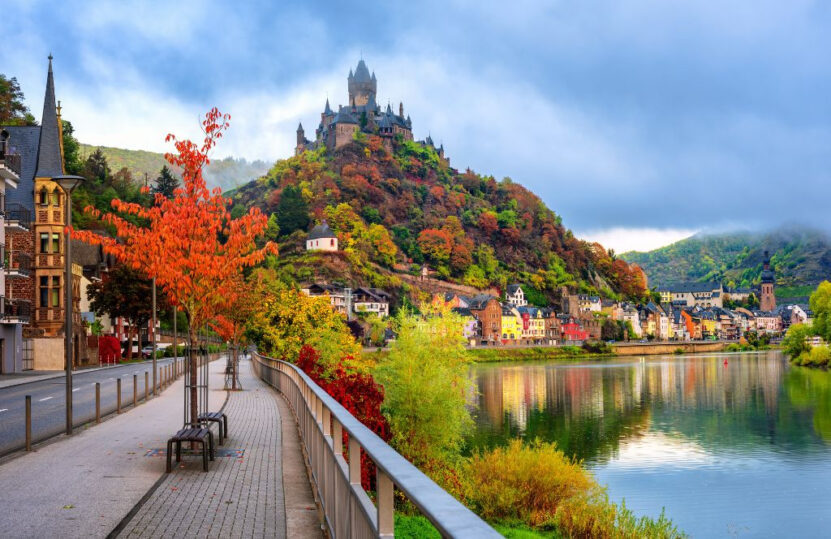
Autumn in Germany is not dramatic in the way some people expect. It is quieter than summer, less crowded, and more about small changes you notice over time.
The light shifts, vineyards turn yellow, forests become mixed rather than uniformly green. October is often the most balanced month, with mild temperatures and enough clear days for walking and exploring .
If you plan it right, you get a version of Germany that feels more local. Cafés are calmer, hiking trails are still open, and many places look better than they do in peak season.
The key is knowing where to go, because not every region changes at the same time.
Why Germany Works So Well In Autumn
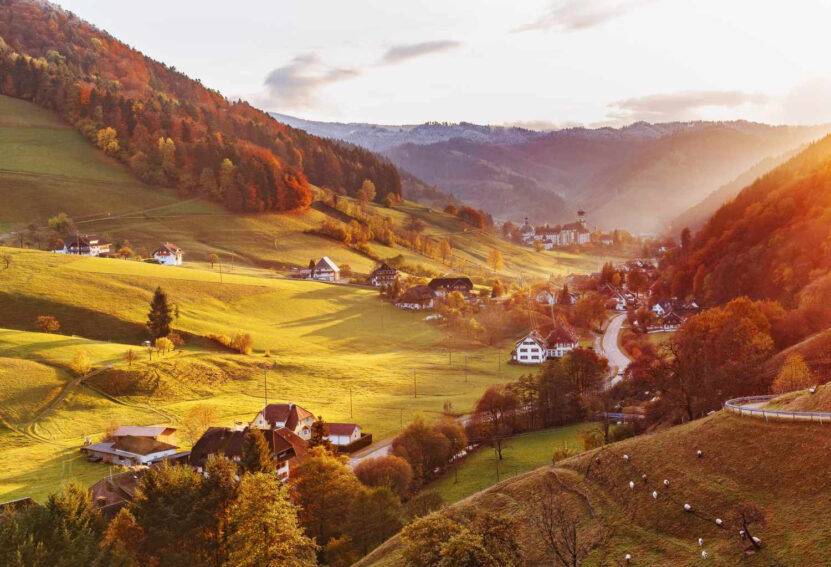
Autumn here is less about chasing peak foliage and more about variety. Forests, vineyards, rivers, and small towns all change in slightly different ways depending on location and altitude. That makes it easier to build a flexible itinerary.
In the south, especially Bavaria and the Alps, colors usually peak earlier. In central and western regions, like the Rhine Valley, the change comes a bit later. Mid-October is often the safest window if you want to see a mix of everything .
There is also a practical advantage. After Oktoberfest, the crowds drop, but the weather is still good enough for outdoor plans. You can hike, drive, or just walk through towns without dealing with peak-season traffic.
Germany is not a “foliage-only” destination. The experience comes from combining landscapes, towns, and seasonal events rather than focusing on one single view.
The Black Forest: Consistent, Accessible, and Easy To Explore
The Black Forest is one of the most reliable places to visit in autumn. It is large, well-connected, and has a mix of trails, small towns, and viewpoints. You don’t need perfect timing to enjoy it.
The region is known for dense woodland, and in autumn, the mix of tree species creates a noticeable change in color. It is also easy to access, especially from cities like Freiburg or Baden-Baden.
If you spend a couple of days here, you can keep things simple:
- Walk shorter trails instead of long hikes
- Use scenic drives to cover more ground
- Stop in small villages rather than staying in one place
The main advantage is flexibility. Even if the weather shifts, you can adjust plans without losing the experience.
Bavaria and The Alps: Early Colors and Clear Views
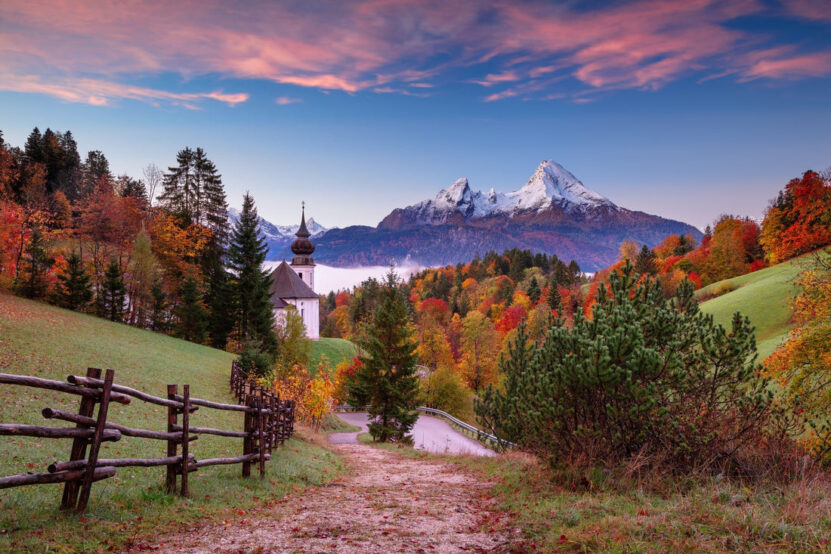
Southern Germany is usually the first region to change in autumn. Places around the Bavarian Alps offer a mix of lakes, mountains, and well-marked trails. This makes it one of the most visually varied areas.
Locations like Neuschwanstein Castle and nearby lakes such as Königssee are often mentioned because they combine elevation and open views. Early October is often the best time here.
| Location | What You Notice | Best Time |
| Neuschwanstein area | Contrast between forest and open landscape | Early October |
| Königssee | Clear water and surrounding slopes | Early to mid October |
| Alpine trails | Wide views and fewer crowds | Early October |
After mid-October, higher areas can become less predictable due to weather. If you prefer stability, stay at lower elevations.
If your plan includes time in a major city like Munich, you might come across services or nightlife options that reflect the city’s broader culture.
For example, you may find escort München services while browsing local guides or listings. These are part of the urban environment.
For most travelers, though, autumn in Germany is about slower travel. You move between regions, spend time outdoors, and don’t rush through locations.
The Rhine Valley: Vineyards, Castles, and Slower Travel
The Rhine Valley offers a different kind of autumn experience. Instead of dense forest, you get vineyards, river views, and small towns spaced along the water.
During autumn, the vineyards turn yellow and gold, which creates a clear contrast with the river and surrounding hills . It is also harvest season, so local wine culture becomes more visible.
This region works best if you slow down a bit. Instead of rushing between towns, it makes sense to:
- Stay in one place for a few nights
- Take short train or boat trips
- Walk between nearby villages
It is less about dramatic scenery and more about consistency. Every stop feels connected to the next.
Saxon Switzerland National Park: More Dramatic Landscapes
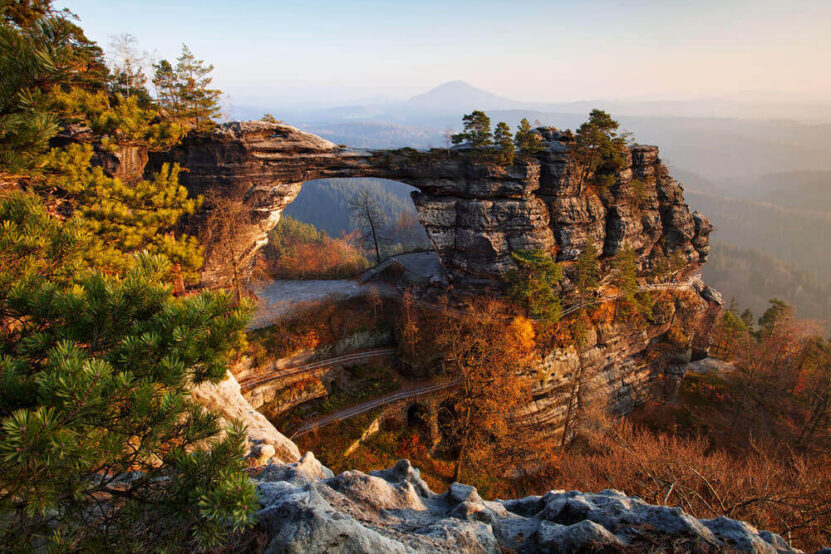
If you want something less typical, Saxon Switzerland offers a different landscape. The area is known for sandstone formations, deep valleys, and elevated viewpoints.
In autumn, the forests around these rock formations change color, which adds contrast to the terrain. The Bastei Bridge is one of the most visited spots, but there are plenty of quieter trails nearby.
This region works well if you enjoy walking with a purpose. Trails here are more structured, and viewpoints are part of the experience rather than something you just come across.
The main thing to keep in mind is timing. Mornings tend to be clearer, so starting early usually gives better visibility.
The German Wine Road: Seasonal Without Being Crowded
The German Wine Road is less talked about but very practical for autumn travel. It runs through wine-producing regions where small towns are connected by a simple route.
Autumn here is tied directly to the grape harvest. You will notice activity in vineyards, local markets, and small festivals. It is not overwhelming, but it adds context to what you see .
What makes this region work:
- Short distances between stops
- Walkable town centers
- Seasonal food and wine options
It is a good option if you want something quieter than the Alps but more active than a single city stay.
What Actually Makes These Places Work
Germany in autumn is not about finding one perfect spot. It works best when you combine a few different regions and give yourself time in each.
Forests like the Black Forest are reliable. The Alps offer stronger views but require better timing.
The Rhine Valley and Wine Road are easier to plan and more consistent. Places like Saxon Switzerland add variety if you want something less typical.
The common thread is pace. If you move too quickly, you miss the small details that make the season feel different.
If you slow down, even simple walks or short drives become part of the experience.
That is really what makes these places stand out in autumn. Not because they change dramatically, but because they give you enough space to notice that they have changed at all.