

A stressful trip rarely falls apart because of one dramatic mistake. More often, friction builds through small moments: a dying phone at the gate, medicine buried in checked luggage, a missing charger, a hotel address saved only in an app that will not load.
Smooth travel depends on ordinary items packed with intention. The right everyday objects protect time, reduce decision fatigue, and give travelers options when transport systems run late, bags miss connections, or plans change without warning.
Air travel has become more digital, more self-managed, and more dependent on phones. IATA’s 2025 Global Passenger Survey found that 78% of passengers want a single smartphone-based tool for wallet, passport, and loyalty cards, while 88% said real-time baggage tracking would make them feel more confident about checking luggage.
Modern travelers value control, visibility, and fast recovery when something goes wrong. Everyday items help create that control before the trip even starts.
The Small Items That Matter Most
A good travel kit should solve common problems before they appear. It does not need to be expensive or elaborate. The best items are usually simple enough to live in a pouch, backpack pocket, or jacket sleeve.
| Everyday Item | Problem It Solves | Best Place To Keep It |
| Power bank | Dead phone during check-in, maps, boarding, or delays | Personal item, not checked luggage |
| Copies of documents | Lost passport, missing reservation, phone failure | Separate pouch and secure cloud folder |
| Basic medicine kit | Headache, stomach trouble, allergies, motion sickness | Carry-on bag |
| Refillable water bottle | Dehydration and airport markups | Empty through security, filled after |
| Cable organizer | Lost charging cords and tangled bags | Easy-reach pocket |
| Light layer | Cold cabins, late arrivals, weather swings | Top of carry-on |
| Small snack | Missed meals during delays or tight transfers | Personal item |
| Bag tracker | Less uncertainty around checked luggage | Inside the checked bag |
A Charged Phone Is Now A Travel Document
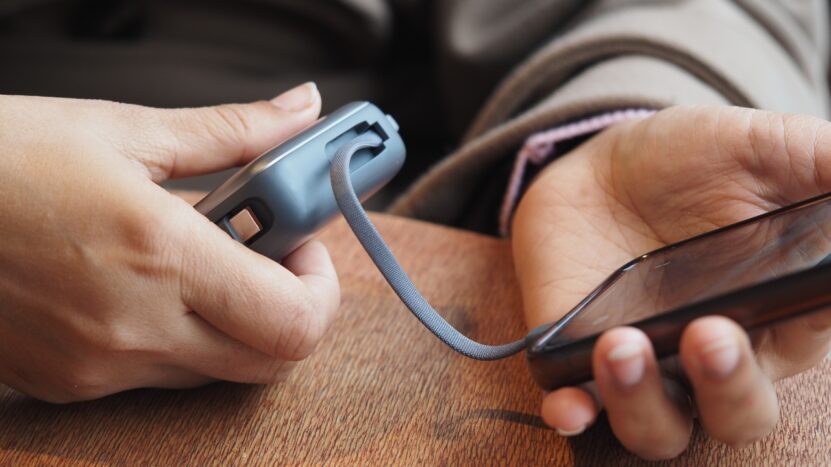
A phone now carries boarding passes, hotel confirmations, ride-hailing apps, translation tools, payment cards, maps, and emergency contacts. Losing battery power creates a practical problem, not a minor inconvenience.
A compact power bank should be treated like a wallet. The FAA says spare lithium batteries and power banks must travel in carry-on baggage only, and they must be removed if a bag is checked at the gate.
Battery terminals also need protection from a short circuit. Many airlines apply stricter limits, so passengers should check carrier rules before flying with high-capacity chargers.
A smart setup includes one power bank, one short charging cable, one wall plug, and any needed adapter. Keep all of it in one pouch. That single habit prevents the familiar airport ritual of opening every compartment while boarding starts.
Documents Need A Backup Plan
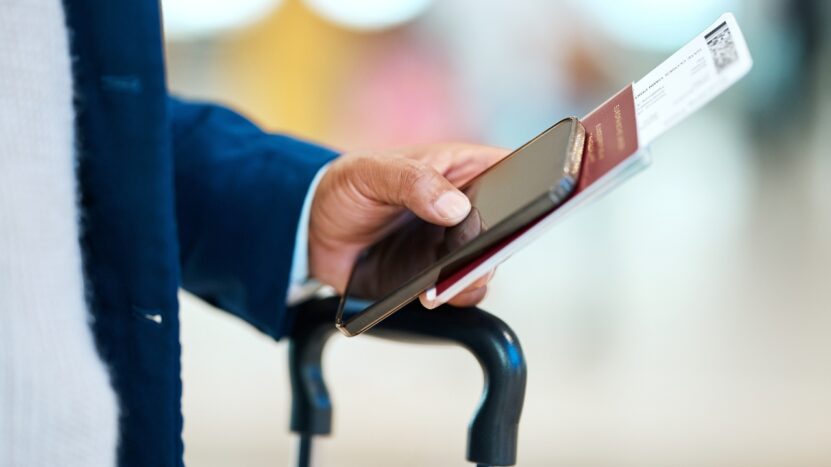
Digital documents are convenient until a phone is lost, damaged, stolen, or stuck without service. A paper copy of a passport, visa, hotel address, travel insurance details, and emergency contact list still earns its place in a modern travel bag.
The U.S. State Department advises travelers to gather required documents, make multiple copies, keep one set separate from originals, give another set to someone trusted, and take phone photos of important travel documents.
It also reminds travelers to check passport validity early, since some destinations require passports to remain valid for at least 6 months after travel dates.
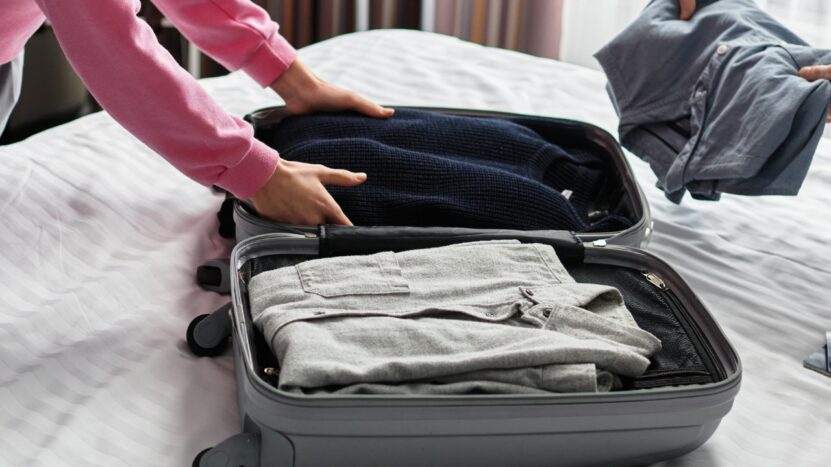
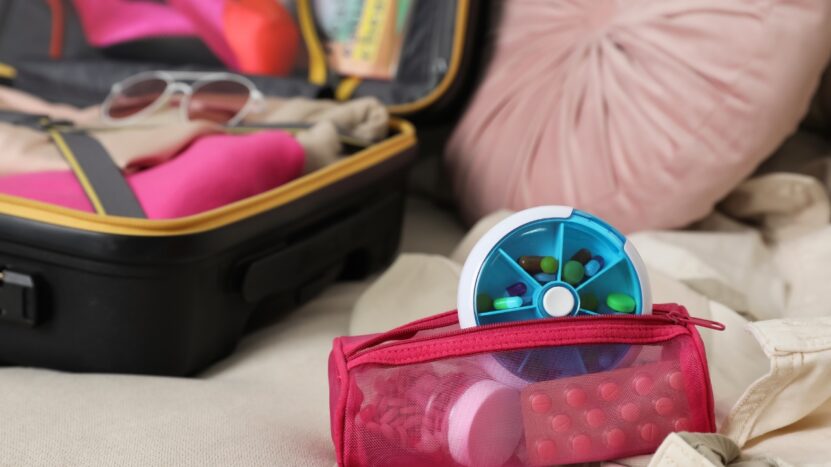
A printed hotel address can also help during late-night taxi rides, weak signal, or language barriers. Small detail, large relief. A dedicated passport wallet or travel sleeve can make that backup system easier to manage, especially when papers, cards, and IDs need to stay together. The Grainmark Leather collection of small leather goods includes passport holders, cardholders, and compact travel pieces that fit naturally into that kind of organized setup. Travelers often pack medication wherever space appears. That can backfire. Checked bags can be delayed, misrouted, or unavailable during long layovers. Prescription medication, basic over-the-counter medicine, and essential medical items belong in a personal item or carry-on. The CDC advises travelers to prepare a health kit with items that may be difficult to find at the destination. Its packing guidance includes prescriptions, antacids, antihistamines, motion sickness medicine, pain and fever medicine, first-aid supplies, hand sanitizer, masks, sunscreen, and insect repellent, depending on the trip. For prescription medicine, CDC guidance also recommends carrying enough for the full trip plus extra in case of delays, keeping medicine in labeled original containers, and carrying copies of prescriptions. A basic travel medicine pouch should be modest. Pain reliever, stomach medicine, antihistamine, motion sickness tablets, adhesive bandages, blister patches, and personal prescriptions cover many ordinary problems. For international trips, travelers should also check whether a medication is restricted at the destination. The airport security line punishes loose packing. Liquids in random pockets, laptops buried under jackets, and keys left in pants all slow the process. A calm security experience usually begins before leaving home. Be travel ready. Remember TSA’s 3-1-1 liquids rule. Travelers may take a total of 3 small containers (3.4 oz or less) of liquids, gels, aerosols, creams and/or pastes through the security checkpoint, as long as they are packed in one quart-sized bag. #TravelTipTuesday — Airlines for America (@AirlinesDotOrg) May 9, 2023 In the U.S., the TSA still applies the 3-1-1 rule for carry-on liquids, gels, and aerosols: containers are limited to 3.4 ounces or 100 milliliters and must fit into one quart-size bag. TSA also recommends placing larger liquids in checked luggage. A cleaner system is simple. Put liquids in one transparent bag. Keep electronics in an easy-reach section unless using a lane where removal is not required. Empty pockets before the line. Wear shoes and outerwear that can come off quickly where screening rules require it. Travel stress often comes from physical irritation. Hunger makes minor delays feel bigger. Cold aircraft cabins make overnight flights harder. Noise keeps travelers alert when they need rest. Dry air and long lines can turn a normal travel day into a headache. Small comfort items help protect judgment. A snack with protein, such as nuts or a bar, can bridge a missed meal. A refillable water bottle encourages drinking after security. Earplugs or noise-reducing earbuds make gate areas and hotel corridors easier to tolerate. A light layer works on flights, buses, trains, and overly air-conditioned hotels. A scarf or thin overshirt can also serve as a pillow, shade, or improvised blanket. Experienced travelers repeat that habit because it solves more than one problem without adding bulk. Checked luggage is useful, especially for longer trips, but it should never be carried on the entire trip’s first day. The Department of Transportation’s Air Travel Consumer Report tracks delays, mishandled baggage, oversales, and complaints using Bureau of Transportation Statistics and other data, a reminder that baggage problems are part of the travel system rather than rare freak events. Pack a first-day kit in the cabin: one change of underwear, basic toiletries within liquid rules, essential medicine, chargers, and a clean shirt. For beach trips, add swimwear. For work trips, add the meeting outfit or at least the shirt, shoes, and documents needed on arrival. A luggage tracker can reduce uncertainty. IATA notes that baggage mishandling is costly for airlines and that transfer points are a major risk area. Its baggage tracking work centers on handover, loading, transfer, delivery, and return to the passenger, with real-time visibility becoming a major expectation among travelers. Payment problems are awkward at home and worse abroad. A traveler who keeps every card in one wallet has no backup if the wallet disappears. A smoother system separates access. Carry one main card, one backup card in a different pouch, a small amount of local cash where relevant, and a digital wallet where accepted. Keep emergency cash separate from daily spending money. Before international travel, confirm card notifications, ATM fees, and contactless acceptance at the destination. The goal is not paranoia. The goal is to be able to buy water, reach a hotel, or pay for transport after one small loss. A dedicated travel pouch removes mental clutter. Instead of building a kit from scratch before every trip, keep a small pouch stocked with repeat-use items: A pen sounds outdated until an arrival form, luggage tag, customs declaration, or handwritten note appears. A small laundry bag keeps damp socks away from clean clothes. Safety pins can fix a torn strap, broken zipper pull, or loose hem until a better repair is possible. Travelers do not need to memorize every passenger regulation, but knowing where to find the right information helps during disruptions. In the European Union, official passenger guidance covers flight cancellations, delays, denied boarding, missed connections, and luggage issues. EU guidance also states that written claims for damaged luggage generally need to be made within 7 days, while delayed luggage claims should be made within 21 days after receiving the bag. A screenshot or saved note with the airline app, booking reference, travel insurance number, and passenger rights page can help when tired, rushed, or negotiating at a service desk. The difference between a stressful trip and a smooth one is often redundancy. One charger is useful. A charged phone plus a power bank is better. A passport is essential. A passport plus printed copy and digital backup is safer. Checked luggage is fine. Checked luggage plus a first-day carry-on kit is smarter. Parents traveling with infants benefit from the same approach because an extra outfit layer, spare socks, or a lightweight blanket can make it much easier to dress a baby comfortably during temperature changes in transit. Good packing does not remove every delay, cancellation, or mishap. It gives travelers room to respond calmly. That is the real value of everyday items. They turn travel from a fragile chain of dependencies into a system with backup options.
Medicine Belongs In The Cabin
The Security Line Rewards Preparation
Comfort Items Prevent Bad Decisions
Luggage Strategy Starts With The First 24 Hours
Money, Cards, And Access Should Be Split
The Best Travel Pouch Is Boring
Rights Information Can Reduce Panic
Smooth Travel Comes From Reducing Fragility