
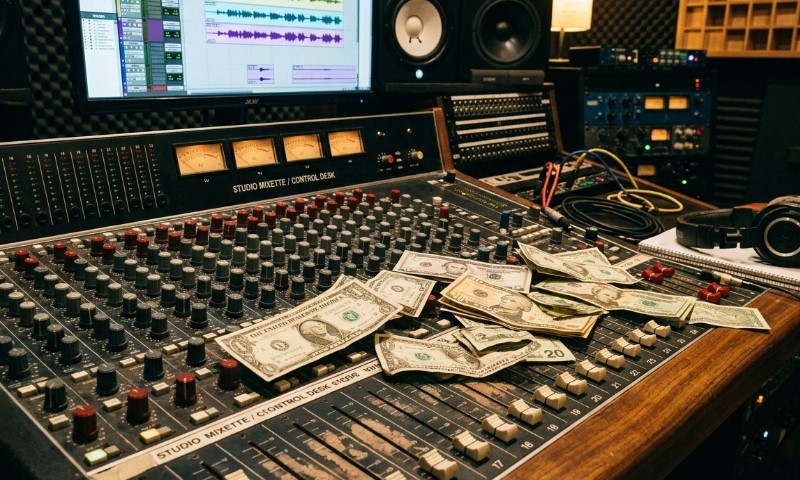
Loving music does not have to stay a hobby.
A person can build income around songs, fandom, live events, artist culture, education, media, and music-related trips without trying to become a chart-topping recording artist.
Streaming payouts can still be small in 2026, social trends move fast, and a label deal is not the right path for every artist.
Relying on one paycheck stream can leave musicians and music entrepreneurs exposed.
A smarter path is a music money stack, meaning several income streams working together.
1. Become a Travel Advisor in Music Tourism

Music tourism is a growing niche because fans often plan full trips around concerts, festivals, artist retreats, destination events, and fan-group experiences.
Many travelers need more than tickets. They need hotels near venues, transportation, timing help, group coordination, and backup plans when event weekends drive up demand.
A music-focused travel advisor can build a business around those practical needs. Festival groups may need multi-day lodging plans.
Touring fans may want help following an artist across several cities.
Artist teams, DJs, bands, and crews may need transportation and accommodations. Fan communities may want organized group trips tied to major events.
Music tourism can create several planning opportunities that go past basic hotel booking:
- Festival weekend packages with lodging and transportation
- Concert road-trip itineraries across multiple cities
- Group travel for fan clubs and online communities
- Lodging support for artists, DJs, crews, and production teams
- Destination retreats, listening parties, and music-themed vacations
A travel-advisor program can help someone learn how bookings, suppliers, commissions, and client management work.
For example, the Yeti Travel agent program offers training and support for people who want to become travel advisors, which can be useful for someone aiming to specialize in music-related trips.
2. Distribute Music and Earn Streaming Royalties
@elizabethdonzis PART 2 – music distribution 101!!!! Link in bio @DistroKid #DistroKid #BehindTheScenes #InsidetheMusic #independantartis #ad
Artists can earn money by placing songs on:
- Spotify
- Apple Music
- Deezer
- Tidal
- Amazon Music
- YouTube Music
Streaming income may not pay every bill on its own, but it can support a bigger plan when songs reach many listeners across many apps.
A reliable distributor helps get music onto major services. Some distribution options allow artists to keep 100% of royalties and do not take commissions.
Reporting tools also help artists see how songs perform, which cities are listening, and which releases get traction.
Artists should also think past major streaming apps. Fan-powered platforms such as SoundCloud and Audiomack can tie royalties more directly to listener activity.
Bandcamp Fridays matter because nearly all revenue can go directly to artists on those days.
Having songs on major streaming platforms is a basic move for serious artists.
Claiming artist or label pages, polishing profiles, checking reports, and learning listener behavior can make streaming more useful.
A smart approach looks like this:
- Release music consistently.
- Claim and optimize artist profiles.
- Track streaming reports.
- Study which songs, covers, snippets, or genres connect.
- Use streaming as a base for merch, shows, fan memberships, sync pitches, and content.
Streaming should not be the whole business. It works better as the foundation for a wider income stack.
3. Play Live Shows, Gigs, and Local Performances
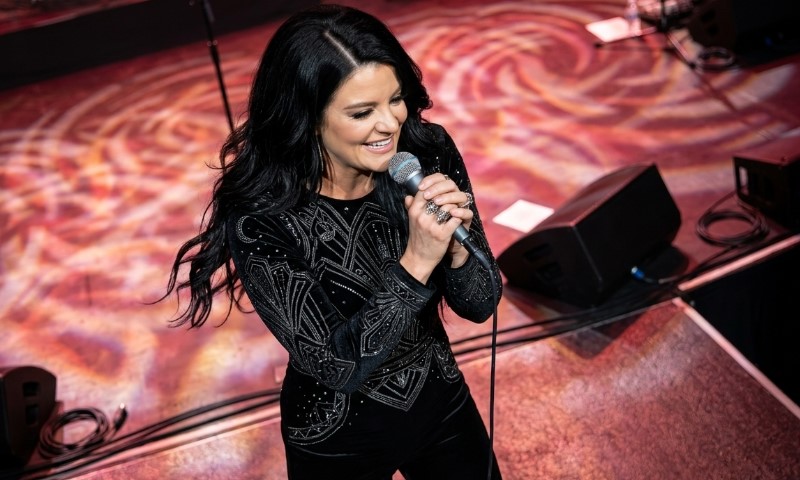
Live performance can bring money, community, promotion, and fan connection at the same time.
Musicians, DJs, singers, bands, instrumentalists, tribute acts, cover artists, and niche performers can all earn through live events.
Gigs can include local venues, bars, weddings, private parties, corporate events, colleges, festivals, opening slots, and house shows.
Smaller local shows can lead to better bookings when artists treat each event like a business opportunity.
Touring and live shows also help artists stay connected with fans. Every set can sell merch, collect emails, build social proof, and promote the next event.
Paid livestreams can use simple pricing. Erykah Badu’s “Quarantine Concert Series: The Apocalypse” used three separate streams priced at $1, $2, and $3.
Newer performers can start small:
- Book open mics, cafes, house shows, and local bars.
- Build relationships with promoters and venue owners.
- Create a simple booking page or electronic press kit.
- Add livestreams or virtual VIP events for fans outside the local area.
- Use each performance to sell merch, collect emails, and promote future shows.
- Live work becomes more profitable when each show feeds other income streams.
4. Sell Merchandise and Physical Products
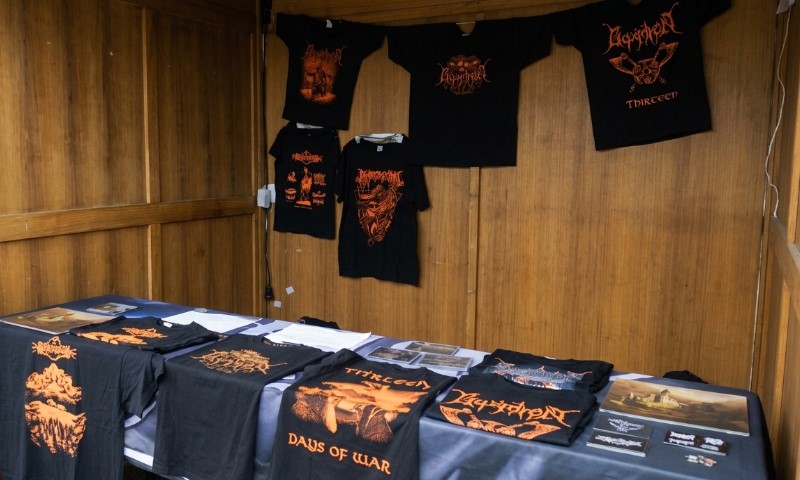
Fans do not only want access to songs. Many want a physical sign that they supported an artist, era, scene, or movement.
Physical music still has value. Some fans buy CDs, some prefer physical albums over digital releases, and vinyl has become popular again among music buyers.
Direct sales can pay more than streaming because supporters buy something connected to the artist rather than simply playing a track.
Bandcamp and Shopify give artists direct-sales options without depending heavily on middlemen.
Direct storefronts also let artists own customer relationships, gather emails, test product demand, and learn which designs or bundles fans actually buy.
Merch is not only a product sale. It gives fans a way to participate.
A shirt, record, poster, or cassette can make support feel visible, personal, and collectible.
Metal fans, jazz fans, beat tape collectors, bedroom-pop fans, vinyl collectors, festival crowds, and DJ communities may want very different products. Better products usually come out of knowing the fan culture first.
5. License Music for TV, Film, Ads, Games, and Online Media
Sync licensing pays artists when music is used with visual or audio media.
Placements can include TV, film, commercials, ads, YouTube videos, podcasts, video games, social videos, and branded content.
A song can earn a licensing fee when it fits a scene, campaign, trailer, ad, or online video.
Sync fees can range between hundreds and tens of thousands of dollars, and a strong placement can also bring exposure.
Music can also earn through composing.
Artists can lend lyrics, instrumentals, full songs, or custom music to ads, promotional videos, songs, movies, and branded campaigns for a fee.
Platforms such as Songtradr can help connect artists with licensing opportunities. Relationships with music supervisors matter because supervisors choose songs for shows, ads, films, trailers, and other media placements.
Micro-sync is another useful category. Smaller placements can include user-generated YouTube content, social media posts, internal company videos, event presentations, professional wedding videos, and podcasts.
Those uses may be smaller than a major TV placement, but they can add up across a catalog.
Artists who want sync income should prepare a clean catalog:
- Build well-produced tracks.
- Create instrumental versions.
- Make clean edits.
- Keep stems ready when possible.
- Register songs correctly for royalty collection.
- Pitch to music libraries, supervisors, content creators, and brands.
FAQs
Closing Thoughts
Music passion can lead to income through travel planning, distribution, royalties, live performances, merch, licensing, content creation, education, crowdfunding, and fan memberships.
Relying on one income stream is risky for most musicians and music entrepreneurs.
Better careers usually combine several options, such as streaming royalties, direct sales, sync licensing, live shows, fan support, freelance services, and content monetization.