

Downsizing sounds simple until you’re standing in a half empty house, staring at a sectional that will never fit through the new front door. A smaller home can mean lower bills, less cleaning and a lot more free weekends. But the move goes far smoother when the big jobs happen before the truck shows up, not after boxes are stacked in every corner.
Below are the projects worth finishing early and the money questions to settle first. None of it needs a renovation budget. It just takes planning while the rooms are still empty.
Key Takeaways
- Measure every room, doorway and stairwell before deciding which furniture makes the move.
- Paint, flooring and lighting work goes faster in an empty house.
- Built in storage does more for a smaller home than any number of plastic bins.
- Check HOA rules and local permit requirements before planning any exterior project.
- Federal home sale tax rules are uniform, but state property tax benefits vary widely.
- Set up utilities and insurance early so nothing lapses.
Start With a Floor Plan, Not a Moving Truck
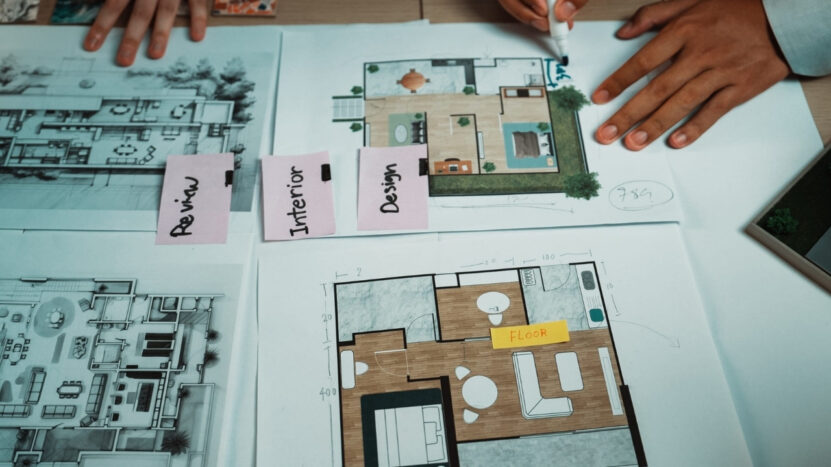
The most common downsizing mistake is packing first and measuring later. You end up paying movers to haul a dining table that has nowhere to go. A floor plan, even a rough one on graph paper, forces the hard decisions early.
Measure every room and doorway
Note each room’s dimensions, outlet locations and the width of every doorway and stairwell. Those last two catch people off guard. A king bed might fit the bedroom and still refuse to turn the hallway corner.
Decide what furniture earns a spot
Sketch your largest pieces onto the plan. Anything that only fits by blocking a walkway should be sold, donated or handed to family now. Doing this early spares you rushed calls on moving day.
Projects That Are Easier Done in an Empty House
Some jobs become a real headache once furniture is in place. Nobody enjoys sanding floors while living out of boxes. If you can get keys a week or two early, use that window.
Paint, floors and lighting
Lighter wall colors make compact rooms feel more open, and paint is the cheapest upgrade here. Flooring matters too, because replacing it later means emptying rooms again. Swapping one ceiling fixture for lamps and under cabinet strips can make a small kitchen far more usable. If you want to make your room look bigger, here is how:
Built in storage and closet systems
Storage is where a smaller home either works or drives you crazy. With less floor space, walls and closets have to pull more weight. Before moving day, consider adding:
Installing these in empty closets takes hours. Around a full wardrobe, it takes a whole weekend. That alone is reason to book the work early.
Safety and accessibility upgrades
Many people downsize with the next twenty years in mind. The National Institute on Aging recommends changes like grab bars, better stair lighting and removing tripping hazards. These projects are simple, and much easier before rugs and furniture go down.
Check the Rules Before You Build Anything
View this post on Instagram
Moving into a condo, townhouse or planned community often means living under an HOA. Associations can control everything from fence height to paint colors, and some manage shared services, as this look at how HOAs impact utility management explains. Read the covenants before you buy materials, not after.
Exterior projects bring their own paperwork. A shed, fence or deck usually needs a permit, and many counties want a drawing showing the structure against property lines and setbacks. If you don’t have a current survey, ordering property drawings from Get A Site Plan can save you a trip to the county records office. It also shows you exactly where your lot ends.
Run the Numbers on the Sale and the New Place

Downsizing is often a financial decision as much as a lifestyle one. The gap between your sale and your new purchase can fund the projects above. A few rules decide how much of it you keep.
Federal tax on your home sale
The good news first. According to the IRS, you may exclude up to $250,000 of gain from the sale of your main home, or up to $500,000 if you file jointly with your spouse. You generally need to have owned and lived in the home for at least two of the five years before the sale.
State rules can swing the math:
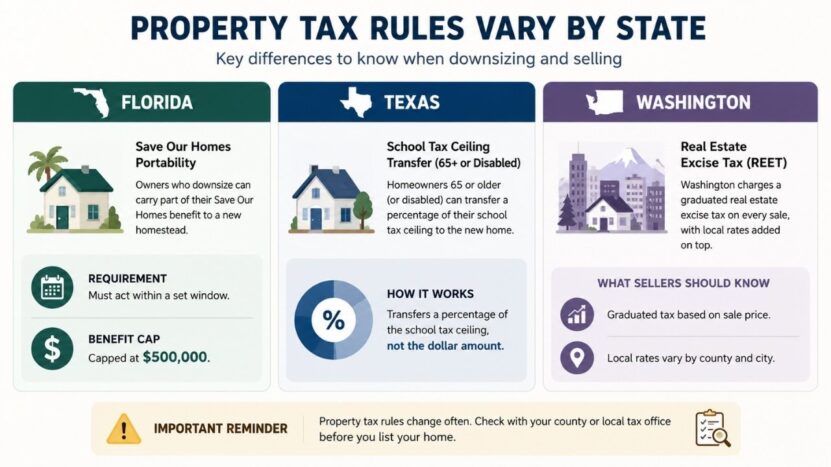
Property tax is where states differ most. In Florida, the Martin County Property Appraiser explains that owners who downsize can carry part of their Save Our Homes benefit to a new homestead, capped at $500,000, if they act within a set window. Texas works differently. The Texas Comptroller notes that homeowners 65 or older can transfer a percentage of their school tax ceiling to the new home, not the dollar amount.
Washington sits at the other extreme on the selling side. The state charges a graduated real estate excise tax on every sale, with local rates added on top, as Clark County outlines for sellers. Rules like these change often, so check with your county before you list.
Utilities and insurance
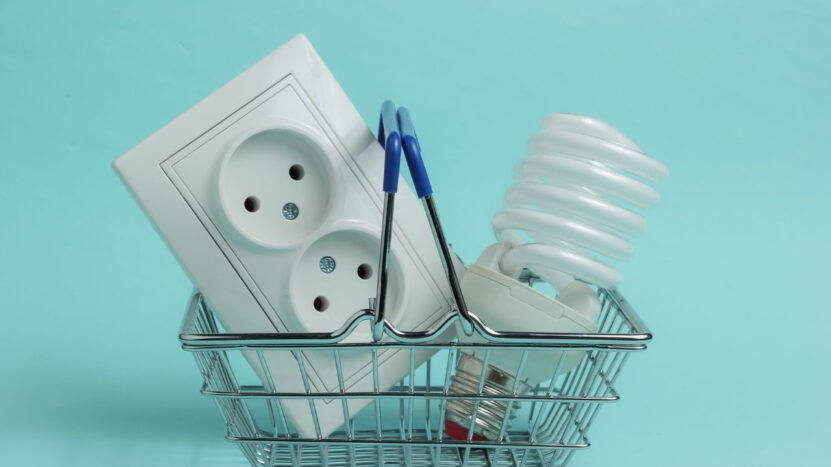
Set up utilities at the new address two weeks out, and schedule shutoffs at the old one for the day after you leave. A smaller home usually means lower bills, and this guide on how to cut your energy bill without replacing every appliance can push them lower.
Coverage matters too. Your policy needs to start on closing day, and it’s worth reviewing what home insurance should include, especially if you’re moving from a house to a condo with a master policy.
A Simple Timeline for Your Pre Move Projects
Spreading the work out keeps things calm. Here’s a rough schedule for most moves. Adjust it to how early you can access the new place.
| Timing | Project | Why it matters |
| 8 to 10 weeks out | Measure rooms and draw a floor plan | Shows what fits before you pay to move it |
| 6 to 8 weeks out | Sell, donate or gift extra items | Leaves time for careful choices |
| 4 to 6 weeks out | Check HOA rules and permit needs | Prevents fines and rework |
| 2 to 4 weeks out | Paint, flooring and lighting | Much faster in empty rooms |
| 1 to 2 weeks out | Storage systems and safety upgrades | Boxes have somewhere to go |
| Final week | Utilities, insurance and address changes | Nothing lapses |
FAQ
How much should I get rid of before moving into a smaller home?
There’s no fixed percentage, since it depends on the size difference. Let your floor plan decide. If a piece has no clear spot, it probably shouldn’t come along.
Is it worth renovating a smaller home before moving in?
Paint, lighting and storage are almost always worth doing first. Major renovations depend on your budget and timeline. If a big project can’t finish before move in, live in the space a few months before committing.
Do I need a permit for a shed or fence at my new house?
In many places you do, though rules vary by county and city. Your building department can confirm size limits and setbacks. An HOA may add its own approval step.
Conclusion
A smaller home rewards people who plan ahead. Measure first, handle messy projects while rooms are empty, and check the rules before building outside. Settle tax and insurance questions early too, and moving day becomes the easy part.